See Art with Fresh Eyes – Learn to Spot the Hidden Details

See Art with Fresh Eyes – Learn to Spot the Hidden Details
When we stand before a work of art, we often take in the whole picture first – the colours, the subject, the mood. But behind that first impression lie layers of meaning, technical choices, and subtle details that can transform the experience once we learn to notice them. Seeing art with fresh eyes isn’t about memorising art history; it’s about training your attention and curiosity. Here’s how you can deepen your experience of art and uncover what’s easily overlooked.
Start by Looking – Not by Understanding
Many people feel they need to understand a work of art before they can enjoy it. But art isn’t a puzzle to be solved – it’s an experience to be felt. So begin simply by looking, without analysing.
Stand in front of the artwork and give yourself time. What catches your eye first? Is it the colour, the light, the movement, or perhaps a certain mood? Let your gaze wander and notice how your eyes naturally travel across the piece. Often, the artist has carefully composed the work to guide you in a particular direction.
After a while, you’ll start to see the small things – a brushstroke, a shadow, a faint line in the background. That’s when the artwork begins to open up.
Learn to See the Artist’s Hand
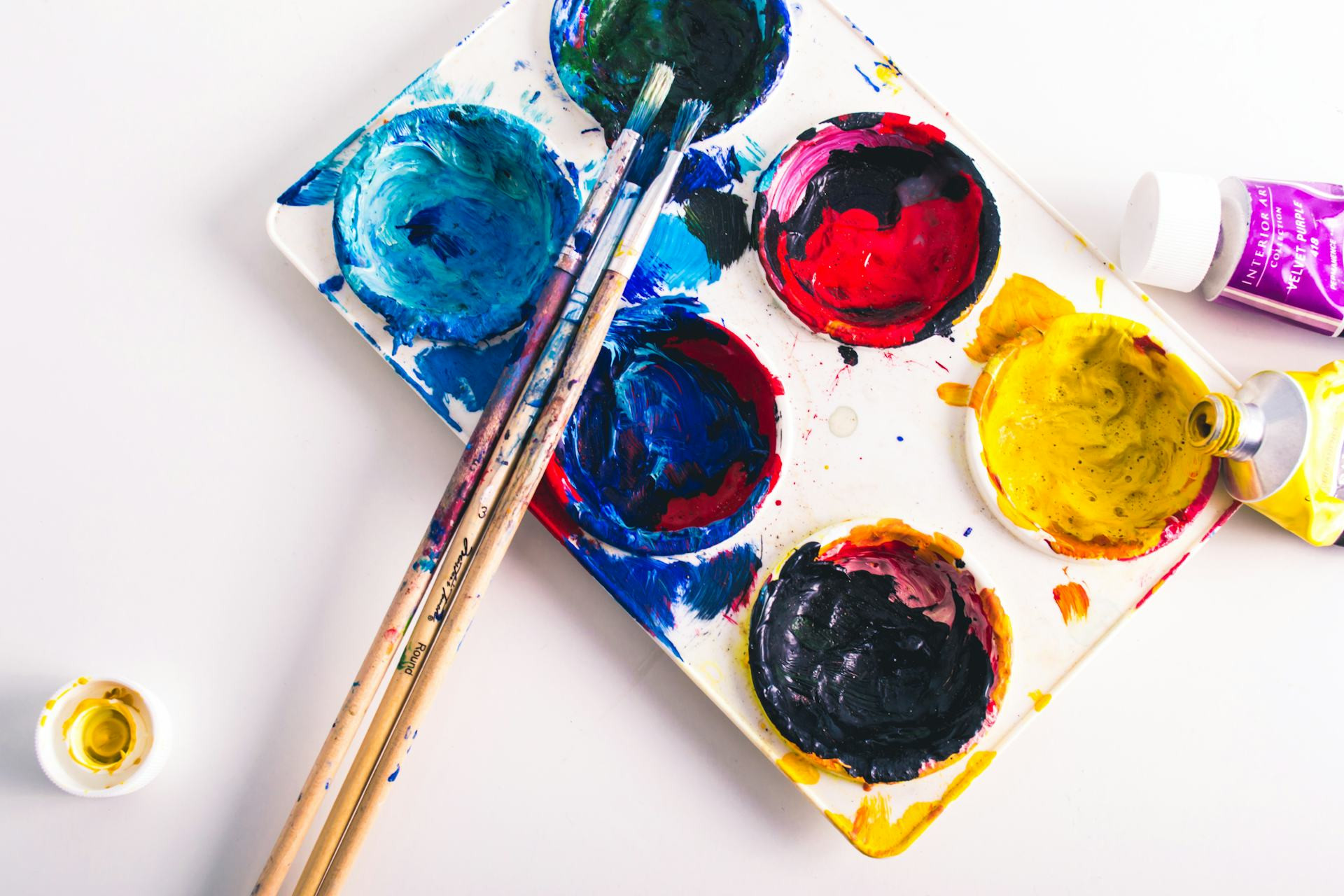
A painting or sculpture isn’t just an image – it’s the result of a process. Look for traces of that process. In paintings, you might notice brushstrokes, layers of paint, or places where colours blend. In sculptures, you might see tool marks or the imprint of hands.
These traces reveal something about the artist’s temperament and method. Are the strokes quick and spontaneous, or calm and deliberate? Is the surface smooth or textured? When you start to see these signs, you gain insight into how the work was made – and into the artist’s way of thinking and feeling.
Læs også:


Step Closer – Then Step Back
Your distance from the artwork changes what you see. Up close, you notice technique, material, and detail. From farther away, you see rhythm, balance, and composition. Try shifting between the two.
When you move closer, you might discover tiny elements that disappear from a distance – a figure in the background, a barely visible colour, or the weave of the canvas. When you step back, you see how everything fits together in harmony. It’s like hearing both a single note and the full melody.
Ask Questions – and Let Them Stay Open
Art becomes more engaging when you ask questions about it. But they don’t need to have clear answers. In fact, open questions can lead you deeper into the experience.
Try asking:
- What emotions does this artwork evoke in me?
- How do the colours influence the mood?
- What would it feel like to step inside this scene?
- What stories might be hidden behind the subject?
When you allow yourself to wonder, the artwork begins to speak to you in its own language.
Take Your Time – and Revisit
An artwork changes every time you see it. Not because the piece itself changes, but because you do. Your experiences, your mood, and your focus shape what you notice. That’s why it’s rewarding to return to the same work more than once.
Many New Zealand galleries – from Te Papa in Wellington to the Auckland Art Gallery or Dunedin Public Art Gallery – offer free entry or annual passes. Use them to revisit your favourite pieces. You’ll find that something new reveals itself each time. That’s what makes art a lasting source of inspiration.
See with the Heart as Well as the Eyes
Seeing art isn’t only about using your eyes – it’s also about feeling. Some works move us without our knowing why. They might stir memories, longings, or dreams. That’s part of the experience, and it’s perfectly valid.
When you allow yourself to respond emotionally, your encounter with art becomes more personal. You don’t need to explain it. What matters is that something within you is touched.
A New Way to See the World
Once you start noticing hidden details in art, you’ll find it changes how you see the world around you. You become more aware of colour, light, shape, and atmosphere in everyday life. A reflection in a window, a pōhutukawa tree in bloom, or the play of light on the harbour can suddenly feel like small works of art in themselves.
Seeing art with fresh eyes isn’t just a way to understand art – it’s a way to understand life. It’s about being present, curious, and open to what’s right in front of you.
Læs også: