The Importance of the Roof: How Design and Colour Affect a Home’s Energy Use

The Importance of the Roof: How Design and Colour Affect a Home’s Energy Use
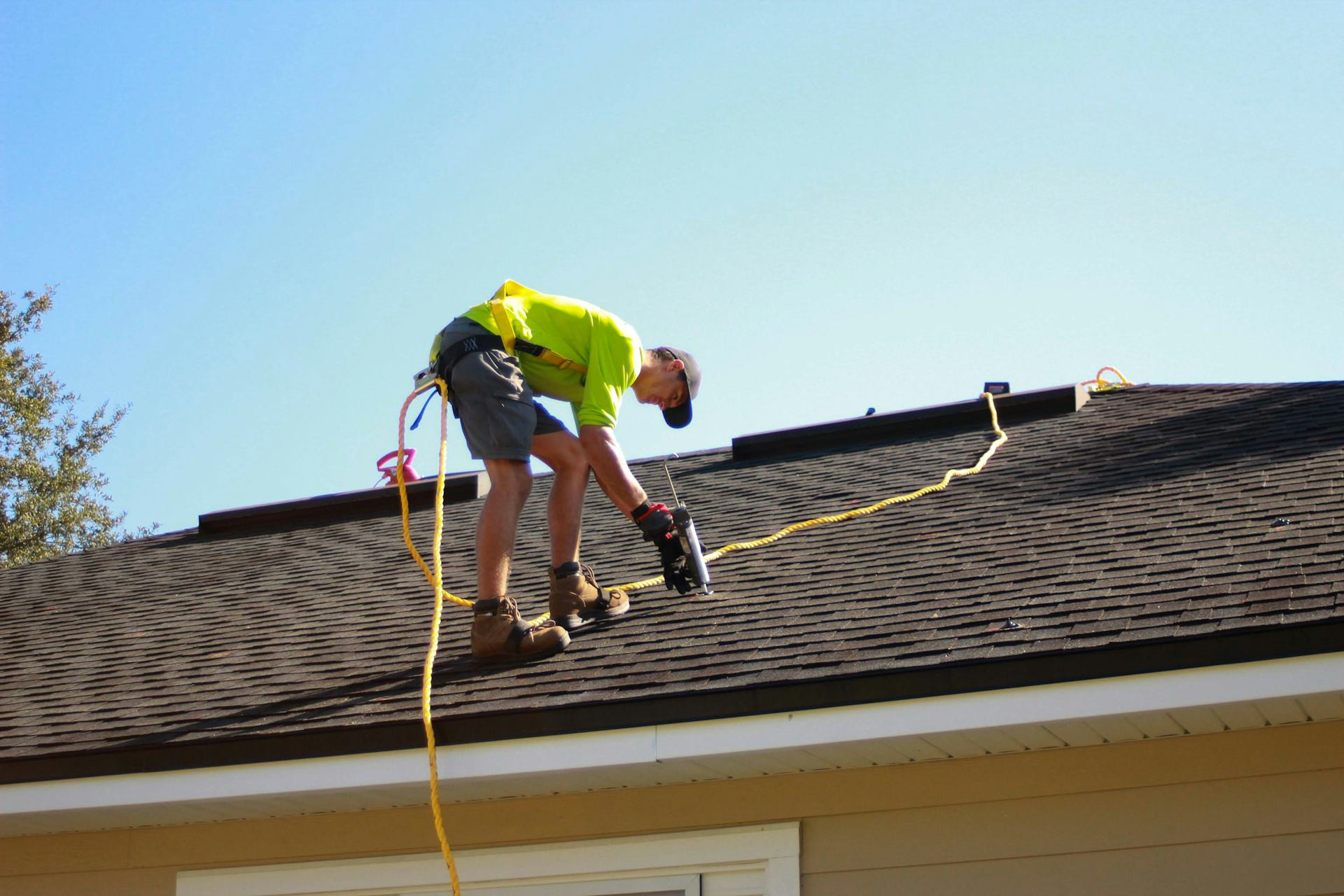
The roof is one of the most important parts of any home – not only for its appearance but also for its impact on energy efficiency. Acting as the home’s uppermost shield, the roof determines how much heat escapes in winter and how much solar energy is absorbed in summer. The design, materials, and colour of a roof can therefore make a significant difference to both comfort and energy bills.
Roof Design – The First Line of Defence
A well-designed roof begins with a solid structure. The way a roof is built – from the framing to the insulation and outer covering – determines how effectively it keeps the home’s temperature stable.
In older New Zealand homes, especially those built before modern insulation standards, the roof is often a major source of heat loss. Upgrading insulation or replacing the roof entirely can lead to substantial energy savings. A modern roof typically includes thick insulation, a vapour barrier, and proper ventilation to prevent moisture build-up, which helps avoid mould and ensures a healthy indoor environment.
Because New Zealand’s climate varies from the cool, damp South Island to the warmer North, roof design should always be tailored to local conditions. In colder regions, insulation and airtightness are key, while in warmer areas, ventilation and reflective materials become more important.
Choosing the Right Material – From Tiles to Metal
Roofing materials influence not only the look of a home but also its energy performance and durability. Common materials in New Zealand include concrete or clay tiles, metal roofing, and membrane systems for flat roofs.
- Concrete and clay tiles have high thermal mass, meaning they absorb heat during the day and release it slowly at night. This can help stabilise indoor temperatures in regions with large day–night temperature swings.
- Metal roofing, such as Colorsteel or aluminium, is lightweight and highly reflective. It’s ideal for areas with strong sun exposure, but it requires good insulation underneath to prevent heat transfer.
- Membrane or flat roofs are often used on modern homes and can be combined with green roof systems that improve insulation and manage stormwater.
When choosing a material, homeowners should consider local weather patterns, the home’s design, and long-term maintenance needs.
Læs også:


The Role of Colour – Light or Dark?
The colour of a roof has a surprisingly large effect on how much heat it absorbs. Dark roofs soak up more solar energy, while light-coloured roofs reflect it.
In New Zealand’s sunny climate, particularly in the North Island and coastal regions, a light-coloured roof can help keep homes cooler and reduce the need for air conditioning. In contrast, in cooler southern areas, a darker roof may provide a small benefit by absorbing more warmth during the day.
Urban areas can also experience the urban heat island effect, where dark surfaces cause higher local temperatures. Choosing lighter roof colours can help reduce this effect and contribute to a more comfortable city environment.
Green Roofs – Energy Efficiency Meets Nature
Green roofs, where vegetation grows on a specially designed waterproof layer, are becoming more popular in New Zealand’s urban centres. They provide natural insulation, reduce stormwater runoff, and create habitats for native plants and insects.
In summer, a green roof can lower indoor temperatures by shading the roof surface and evaporating moisture. In winter, it helps retain heat. While green roofs require a strong structure to support the extra weight, they offer long-term environmental and energy benefits.
Maintenance and Longevity – Protecting Your Investment
A roof that is well maintained will last longer and perform better. Cracks, leaks, and blocked gutters can lead to moisture damage and reduced insulation performance. Regular inspections – especially after heavy rain or strong winds – can prevent small issues from becoming costly repairs.
Cleaning the roof to remove moss, lichen, and debris also helps maintain its reflective properties and prevents water damage. A well-kept roof not only looks good but also continues to contribute to the home’s energy efficiency.
A Roof That Fits the Home – and the Climate
Choosing the right roof is about more than style. It’s about finding the best combination of design, material, and colour for your home’s location and energy needs. A dark tile roof might suit a traditional home in a cooler region, while a light metal roof or a green roof could be ideal for a modern house in a warmer city.
By thinking holistically – about structure, insulation, colour, and maintenance – homeowners can create a roof that protects their home, reduces energy use, and supports a more sustainable future for New Zealand.
Læs også: