Structure in Grief: Rituals and Actions That Create Meaning Amid Loss

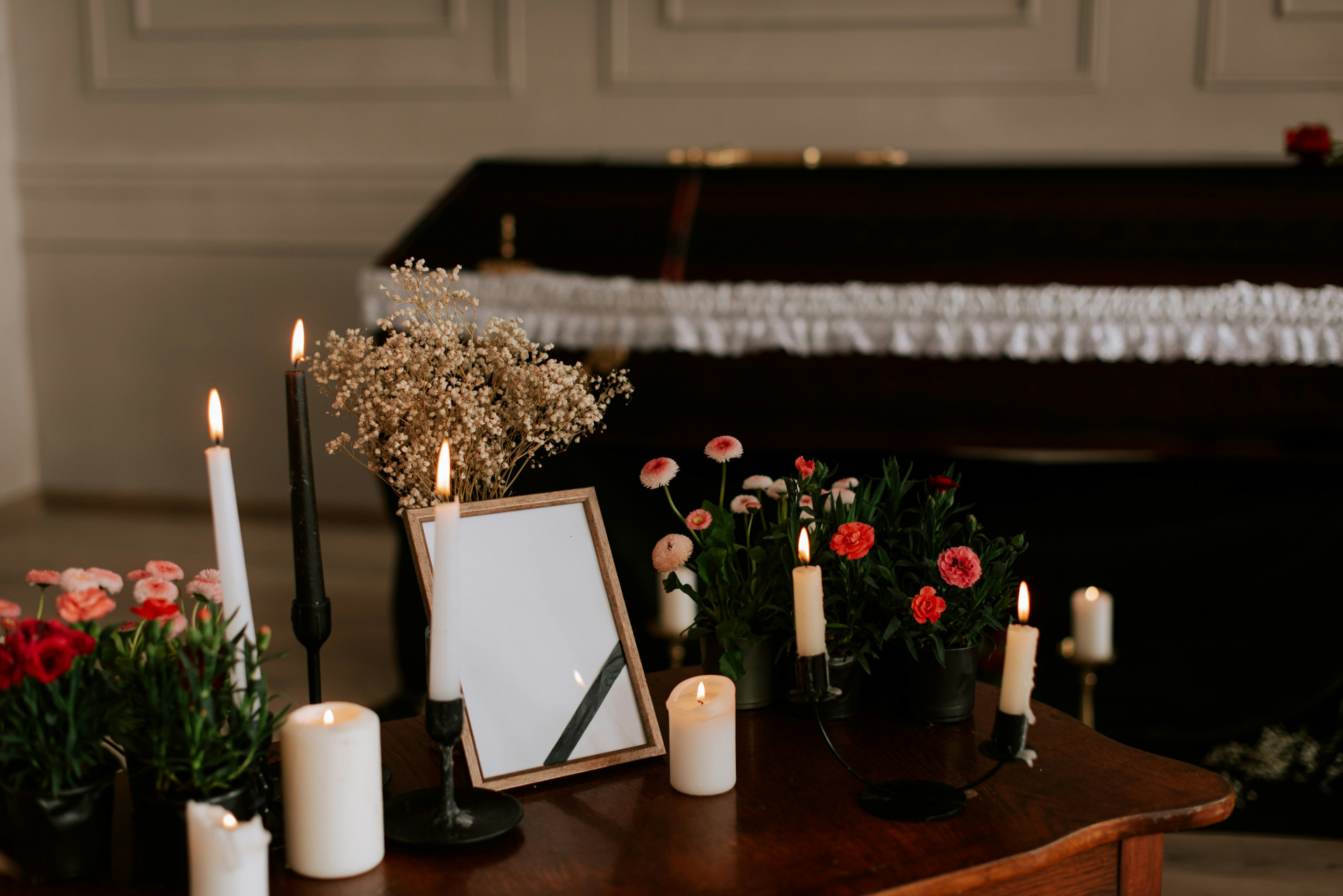
Structure in Grief: Rituals and Actions That Create Meaning Amid Loss
When we lose someone we love, grief can feel like a tide that pulls us under—unpredictable, disorienting, and deeply personal. In the midst of that chaos, structure can offer a quiet kind of steadiness. Rituals and small, intentional actions can help us make sense of what has happened, mark transitions, and give our sorrow a place to rest.
This article explores how both traditional and personal rituals can help people in Aotearoa New Zealand find meaning and connection in times of loss.
Rituals as Anchors in Uncertain Times
Across cultures and generations, rituals have helped people navigate the pain of loss. They provide a framework when everything else feels unstructured. A funeral, a tangihanga, or a memorial gathering is not only a formal farewell—it is a shared act that helps us acknowledge that life has changed.
In Aotearoa, Māori traditions such as the tangihanga embody this sense of collective mourning and respect. The gathering of whānau and friends, the sharing of stories, and the presence of the deceased all serve to weave grief into community life. For others, lighting a candle, playing a favourite song, or visiting a special place can serve a similar purpose. What matters most is not the form of the ritual, but the sense of connection and continuity it brings.
Læs også:


Everyday Rituals That Bring Calm
Grief does not only live in the big moments—it lingers in the everyday. That is why small, repeated actions can be so grounding. They create rhythm and familiarity when everything else feels uncertain.
- A morning walk along the beach, where the sound of the waves offers quiet reflection.
- A cup of tea in the garden, taken at the same time each day, as a moment to remember.
- A photograph or treasured object kept in a visible place, as a gentle reminder of love that endures.
These small rituals may seem simple, but they help us find stability and presence in the midst of emotional upheaval.
The Strength of Community
Grief can feel isolating, yet rituals often bring people together. When we gather for a memorial service, share stories, or simply cook and eat together after a funeral, we carry the weight of loss collectively.
In New Zealand, community support often extends beyond the formal ceremony. Neighbours bring food, friends check in, and whānau gather again on anniversaries or birthdays. Speaking the name of the person who has died, recalling their humour or kindness, and allowing both laughter and tears to coexist—these are all ways of keeping love alive within the living.
Creating Personal Rituals
There is no single right way to grieve. Some find comfort in long-held traditions; others create their own. Planting a native tree in memory of a loved one, writing letters that will never be sent, keeping a journal, or returning each year to a place that held meaning—these acts can all become personal rituals of remembrance.
Creating a ritual is about finding an action that feels meaningful to you—something that allows you to express your loss while maintaining a sense of connection to the person who has gone.
When Grief Changes Shape
Over time, grief shifts. It may not disappear, but it becomes woven into the fabric of life in new ways. Rituals can evolve alongside it. They may become less frequent or take on new forms, but they continue to offer a way to honour memory and acknowledge that love remains, even as life moves forward.
Finding structure in grief is not about controlling it—it is about giving it space. When we create small frameworks for our sorrow, we allow ourselves to live with it, to breathe through it, and, slowly, to find meaning amid the ache of loss.
Læs også: